Native African Redwork
First Impressions: A Visual Statement
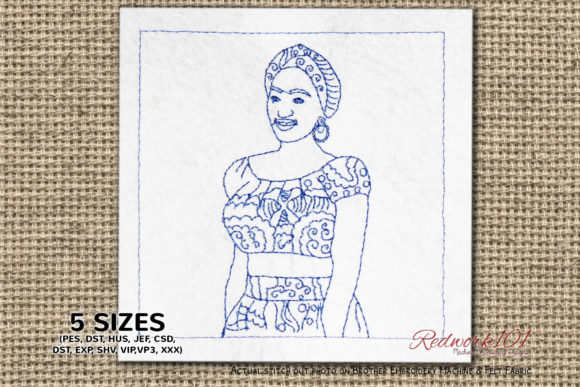
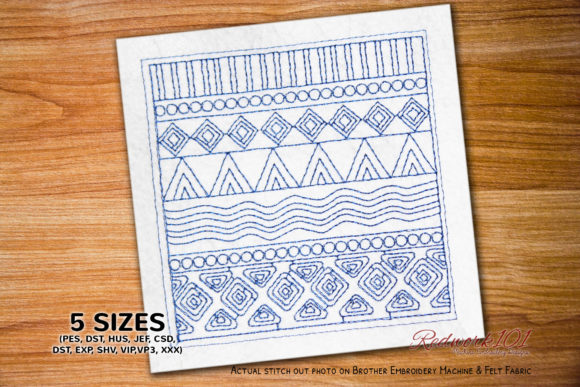
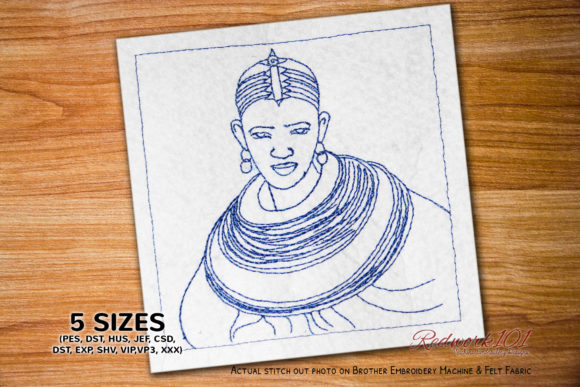
The Native African Redwork design immediately catches the eye with its rich, textured patterns and intricate stitching. It carries a strong visual personality that feels both rustic and modern. The embroidery has a handmade feel, which adds to its charm and authenticity. Whether you're looking for a bold statement or a subtle accent, this design offers versatility in tone and detail level.
Sweatshirt Embroidery: A Bold Choice
When applied to neutral sweatshirts, Native African Redwork stands out beautifully. The design’s depth and color contrast make it ideal for creating a standout piece. It works especially well on light-colored fabrics, where the embroidery details pop. For a more subdued look, consider using it on darker hues, but ensure thread colors are chosen carefully to maintain visibility.
Hoodie Design: Chest Placement and Beyond
Native African Redwork is excellent for hoodie chest placement. Its size and complexity make it perfect for a focal point without overwhelming the garment. When placed on the front, it adds a touch of cultural flair and artistic flair. It also works well as a sleeve accent or back design, offering multiple ways to integrate the pattern into a cohesive collection.
T-Shirt Embroidery: Minimalist Meets Artistic
For t-shirt projects, Native African Redwork can be scaled down or used as a minimalist feature. It brings an artistic edge to otherwise simple garments. This makes it a great option for boutique brands aiming to blend trendiness with craftsmanship. Pairing it with pastel tones can create a fresh, youthful aesthetic.
Tote Bag Design: A Versatile Addition
The design's intricate details translate well to tote bags, adding a unique element to everyday accessories. Whether used as a main motif or a secondary embellishment, Native African Redwork enhances the visual appeal of tote bags. It pairs nicely with denim or canvas, making it a versatile choice for lifestyle products.
Boutique Branding: Elevating Your Collection
Incorporating Native African Redwork into your boutique brand can elevate your product line. The design's cultural inspiration and handcrafted appearance help build a distinct brand identity. It fosters buyer trust through its authenticity and quality, contributing to product recognition and customer engagement.
Commercial Embroidery: Practical Considerations
Before using Native African Redwork for commercial purposes, consider practical factors such as stitch density and hoop size. Test the design on scrap fabric to assess how it looks on different materials. Check stabilizer choices to prevent puckering, especially on stretchy or dense fabrics like fleece or ribbed material.
Apparel Value and Professional Presentation
This design can significantly impact the perceived value of your finished product. Its detailed stitching and cultural influence add a layer of sophistication that appeals to crafters and handmade business owners. Properly executed, it enhances professional presentation and visual consistency across your product line.
Design Placement: Where to Use Carefully
Native African Redwork performs best on flat, stable surfaces. Avoid placing it on small chest areas or dense stitch sections where the design might become distorted. On stretchy or curved surfaces, test placement thoroughly to prevent stretching or wrinkling. Tiny lettering or intricate patterns may require careful handling to maintain clarity.
Thread Colors and Fabric Texture
Choosing the right thread colors is crucial for maximizing the design’s impact. Ensure there’s sufficient contrast between the embroidery and the fabric texture. Dark garments may require lighter threads to maintain visibility. Always review Creative Fabrica product details to confirm licensing and usage rights before selling finished apparel.
Practical Designer Notes for Success
- Test on scrap fabric: Before full production, test the design on similar fabric types to assess stitch density and appearance.
- Check stabilizer choice: Use appropriate stabilizers to prevent puckering, especially on stretchy or dense materials.
- Review thread color contrast: Ensure the embroidery stands out against the background fabric.
- Confirm hoop size: Choose the right hoop size to accommodate the design without distortion.
- Inspect stitch density: Adjust settings if necessary to achieve the desired effect.
- Test on similar garment fabric: Confirm how the design looks on actual product materials.
- Compare placement options: Experiment with different positions to find the most visually appealing layout.
- Check Creative Fabrica product details: Verify licensing and usage terms before finalizing your project.
Conclusion: A Worthwhile Investment
Native African Redwork is a valuable addition to any embroidery designer’s toolkit. Its versatility, aesthetic appeal, and cultural richness make it suitable for a wide range of projects, from custom apparel to boutique merchandise. With careful planning and attention to detail, this design can enhance your brand, engage your audience, and elevate your handmade product line.